

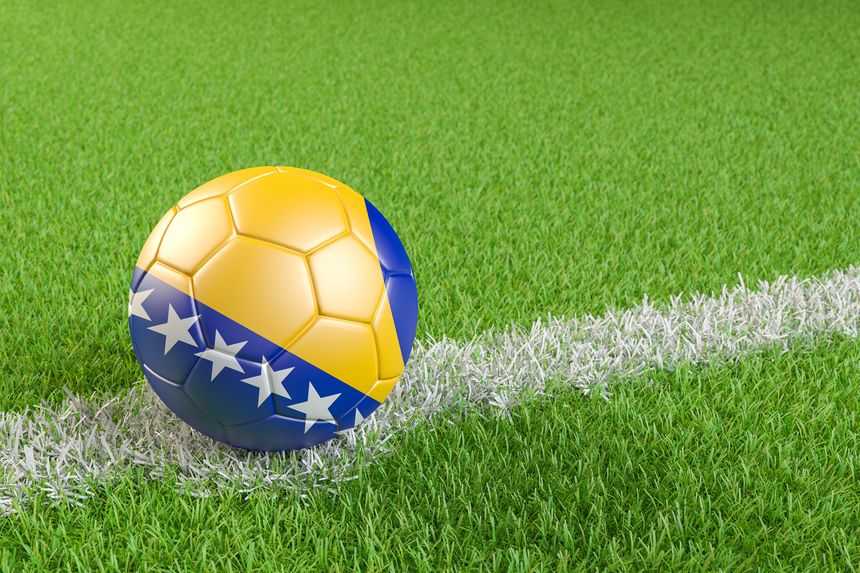
Walk into a corner shop this month in Bosnia and Herzegovina, and the Dragons are everywhere. Cereal boxes, prize draws, shop windows. For only the second time in its history the Bosnia and Herzegovina national team has reached the World Cup, and a football country celebrates the way football countries do. Somewhere inside that excitement, a quieter calculation takes shape: a brand with no official association to the organisers begins to wonder whether shoppers might assume it is an official sponsor anyway. That instinct has a name. It is called ambush marketing, and the interesting question is not whether it is clever, but the point at which clever turns unlawful.
In Bosnia and Herzegovina the answer turns up somewhere most people would not think to look. When a country hosts a World Cup it is normally asked to pass a special law protecting the organisers, strict enough to punish even an unauthorised hint of association. Bosnia and Herzegovina is not hosting, so no such regime exists here, only the ordinary rules everyone in the market already lives by: trademark, fair trading, consumer protection, and a person's right to control the commercial use of their own image. That leaves a brand far more room than it would have in a host country.
These ordinary rules go further than they might at first appear. The familiar abbreviations, the emblem, the trophy and the mascot should all be treated as protected signs. That may be the case even where a particular sign is not registered in Bosnia and Herzegovina, since famous marks may enjoy protection beyond the precise goods or services for which they are registered and, in some circumstances, beyond the territory of registration. In practical terms, a biscuit maker should not assume it is safe simply because it sells biscuits rather than football-related products. The national football federation will also have its own rights in the crest, the kit and official merchandise. Players are protected as well: a footballer’s name and image are personal rights and cannot be used commercially without consent.
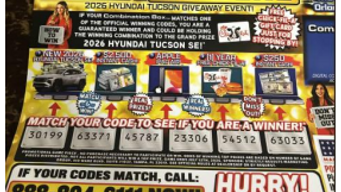
The range of risk is already easy to see. At the safe end are campaigns that are not ambush marketing at all: an official telecoms sponsor using the rights it paid for, or a commemorative postal stamp issued together with the national football federation. In the middle are campaigns that borrow the mood of the moment without using protected material. A retailer, for example, might run a prize draw built around national pride and the team’s success, while avoiding protected logos, names and any suggestion that it is an official partner. That balance is where the real craft lies. At the other end are campaigns that go too far: placing the organisers’ abbreviation directly in the campaign name and offering a trip to the tournament as the prize. Even if the trip is real and properly paid for, building the campaign around a protected name is exactly the kind of conduct the rules are meant to catch.
The dividing lines are therefore fairly clear. Brands can safely use patriotic themes: national colours, general words of support and congratulations after a strong result. A genuine prize can also be defensible if it is described accurately and kept away from protected names or symbols. But some uses cross the line: the organisers’ words or logos, a campaign designed to look official, a player’s name or image used without consent, the federation’s crest or kit, and counterfeit merchandise.
The lesson is that, in Bosnia and Herzegovina, ordinary legal rules must do the work that a special World Cup law would do in a host country. For most brands, that framework is enough, provided they ask three simple questions before launching a campaign: Are they using a protected sign? Could ordinary shoppers think they are official sponsors? Are they using a player’s name or image without consent? If the answer to all three is no, the campaigns are likely on safe ground. If the answer to any one of them is yes, the brands may become cautionary examples of a familiar mistake: assuming that the absence of a special law means the absence of legal risk.
/Passle/5ca769f7abdfe80aa08edc04/SearchServiceImages/2026-10-13-08-26-45-816-6acdeb455011758bb0c12230.jpg)
/Passle/5ca769f7abdfe80aa08edc04/SearchServiceImages/2026-09-16-20-14-48-193-6aaaf8b8cc107f79d317601b.jpg)